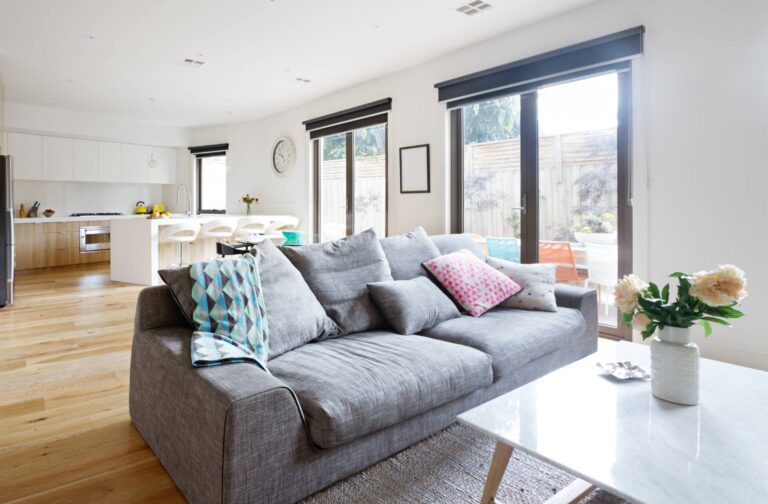


Lighting is one of the most powerful elements in interior design. It not only illuminates your living spaces but also sets the mood, highlights architectural features, and enhances the overall ambiance. Thoughtfully chosen lighting can completely transform a room, making it feel larger, warmer, or more inviting. Whether you’re redesigning a space or simply want to refresh your home’s look, exploring diverse lighting ideas can unlock new possibilities for your interior.
Layer Your Lighting for Depth and Functionality
One key to effective interior lighting is layering. Combining different types of lighting—ambient, task, and accent—creates a balanced, versatile environment.
- Ambient Lighting provides general illumination. Ceiling fixtures, chandeliers, or recessed lights ensure the room is well-lit.
- Task Lighting focuses on specific activities like reading or cooking. Desk lamps, under-cabinet lights, and pendant lamps serve this purpose.
- Accent Lighting highlights artwork, architectural details, or plants. Wall sconces, track lighting, and spotlights add drama and visual interest.
Layering these three types allows you to adjust lighting according to your needs, enhancing both practicality and style.
Use Statement Fixtures to Elevate the Space
A striking lighting fixture can serve as the centerpiece of any room. Chandeliers, oversized pendants, or sculptural lamps double as art pieces and functional light sources. Choosing a bold fixture with an eye-catching design instantly elevates the interior and sets the tone for the décor.
For example, a crystal chandelier adds elegance and glamour to a dining room, while an industrial-style pendant brings a modern edge to a kitchen island. Statement fixtures inject personality and transform an ordinary space into something memorable.
Incorporate Natural Light with Smart Window Treatments
Maximizing natural light is essential for a bright, welcoming interior. Use sheer curtains, blinds, or shades that allow sunlight to filter softly while maintaining privacy. Position mirrors strategically across from windows to reflect light and visually expand the space.
Natural light not only reduces the need for artificial lighting during the day but also boosts mood and wellbeing. Combining natural light with layered artificial lighting ensures your interior remains inviting from morning to night.
Explore Warm vs. Cool Light Temperatures
The color temperature of your lighting dramatically influences the room’s ambiance. Warm light (2700K–3000K) emits a cozy, relaxing glow ideal for living rooms and bedrooms. Cool light (4000K–5000K) feels crisp and energizing, perfect for kitchens, bathrooms, or workspaces.
Mixing temperatures thoughtfully can define zones within an open-plan space. For example, use warm lighting in the lounge area for comfort and cooler light in the kitchen for clarity. Understanding how light temperature affects mood helps tailor your lighting to suit each room’s function.
Add Dimmer Switches for Adjustable Ambiance
Dimmer switches are a simple yet transformative addition to any lighting scheme. They allow you to control the brightness and create the perfect atmosphere for different occasions—from bright and lively gatherings to soft, intimate evenings.
Installing dimmers increases energy efficiency by using only the light needed and extends the lifespan of bulbs. This flexibility makes your home more adaptable and comfortable throughout the day and night.
Highlight Architectural Features and Decor
Lighting is a powerful tool to showcase unique architectural elements such as crown molding, built-in shelves, or textured walls. LED strip lights hidden under cabinets or along coves provide subtle illumination that adds depth and sophistication.
Accent lighting on artwork or sculptures draws attention to your personal style and enhances the room’s visual appeal. Thoughtful placement of light fixtures can transform ordinary walls or corners into striking focal points.
Conclusion
Lighting plays a critical role in shaping the look and feel of your interior spaces. By layering different types of light, incorporating statement fixtures, and making the most of natural light, you can create rooms that are both beautiful and functional. Understanding light temperatures, adding dimmers, and highlighting architectural details further elevate your décor and personalize your home.
Whether you prefer modern minimalism or classic elegance, thoughtful lighting design transforms interiors, enhances mood, and makes your living spaces truly shine. Investing in the right lighting ideas ensures your home is welcoming, stylish, and perfectly lit for any moment.