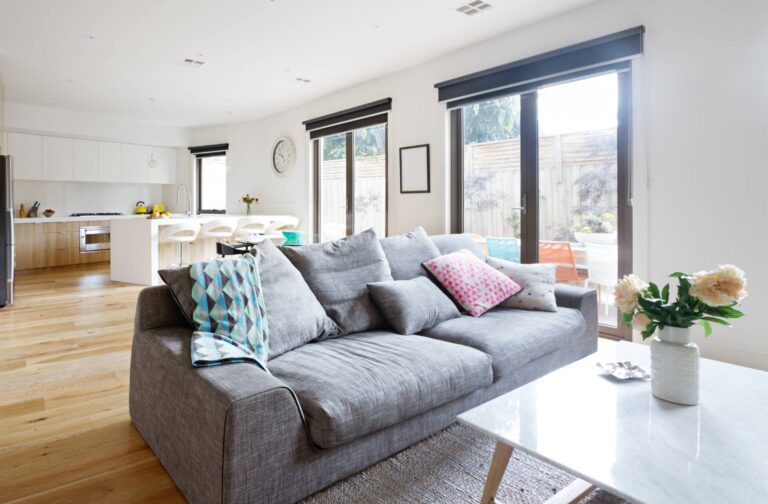


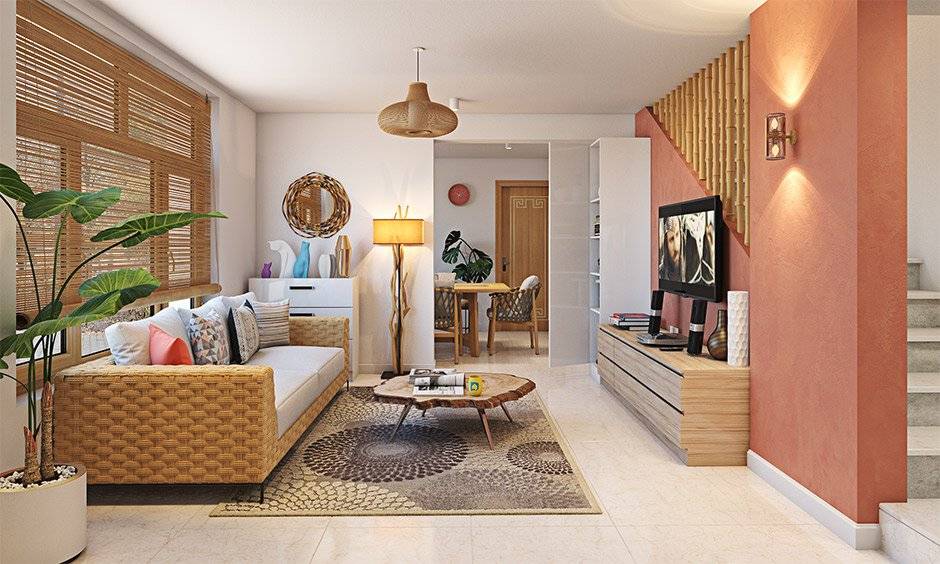
Building or renovating a home today is about more than just comfort and style—it’s about making choices that are sustainable, environmentally responsible, and future-ready. A modern eco-home blends functionality with materials that reduce environmental impact while offering durability and beauty. From recycled products to renewable resources, the right selection can transform your living space into one that reflects both modern design and eco-conscious values.
Bamboo: A Rapidly Renewable Resource
Bamboo has become one of the most popular sustainable materials in eco-home design, and for good reason. It grows quickly, requires little water, and can be harvested without damaging the root system. Its strength rivals that of hardwood, making it ideal for flooring, cabinetry, and even furniture.
Much like how people carefully choose an insta dp viewer to present themselves authentically, bamboo reflects a balance of style and sustainability. It offers modern homeowners the chance to embrace elegance while staying true to eco-friendly principles.
Reclaimed Wood: Character With A Green Touch
Using reclaimed wood not only prevents waste but also adds character and uniqueness to your home. Every piece carries a history, with its natural patina and imperfections giving rooms warmth and depth. From rustic beams to chic wall panels, reclaimed wood can fit into nearly any design style.
Sourcing reclaimed wood can be as meticulous as finding legal advice through Lawyerlocator—both require a careful eye for quality and reliability. Once integrated into the home, this material delivers both durability and aesthetic charm.
Recycled Metal: Strong And Sustainable
Metals like steel, aluminum, and copper are highly recyclable without losing their strength. Using recycled metal in roofing, structural supports, or accent features helps reduce mining demand and energy use. Beyond function, metal adds a sleek, modern look to interiors and exteriors alike.
The enduring appeal of recycled metal mirrors the timeless phrases found in hindi attitude shayari—bold, expressive, and impossible to ignore. Both carry a sense of strength and permanence that elevate their surroundings.

Cork: Flexible And Eco-Friendly
Cork is harvested from the bark of cork oak trees, which regenerate naturally, making it a truly sustainable option. Its insulating properties make it ideal for flooring, wall coverings, and even ceilings. Cork is hypoallergenic, soft underfoot, and offers excellent soundproofing.
Homeowners exploring eco-friendly materials can take inspiration from the way a directory of online marketing companies organizes solutions—cork, like those directories, provides a wide range of versatile uses while promoting efficiency and value.
Natural Stone: Built To Last
While natural stone does require quarrying, its longevity makes it a sustainable choice. Materials like granite, limestone, or slate last for decades, often centuries, without needing replacement. Their durability reduces waste over time, and their aesthetic appeal adds timeless elegance to eco-homes.
When used responsibly and sourced locally, natural stone can be a grounding element in modern sustainable design, adding both sophistication and eco-awareness.
Straw Bales: Affordable Insulation With A Twist
Straw bales are gaining popularity as a natural and affordable form of insulation. They provide excellent thermal performance, are biodegradable, and are often sourced as an agricultural byproduct. When sealed properly, straw bale walls can last for many years, offering both sustainability and comfort.
Just as platforms like https://www.findhomeexperts.com.au connect people with the right home services, straw bale construction connects eco-conscious homeowners with an energy-efficient building solution that keeps costs and environmental impact low.
Rammed Earth: Ancient Technique, Modern Revival
Rammed earth construction uses compacted soil mixed with stabilizers like lime or cement to create solid, thermal walls. This technique, centuries old, has been reimagined for modern eco-homes. The result is a striking, earthy aesthetic paired with energy efficiency and structural integrity.
Its natural thermal mass regulates temperature, keeping interiors cool in summer and warm in winter, making it an ideal solution for sustainable living.
Low-VOC Paints And Finishes: Cleaner Air, Healthier Living
Beyond structural materials, finishes also matter. Conventional paints often release volatile organic compounds (VOCs), which contribute to indoor air pollution. Low-VOC or zero-VOC paints and finishes are healthier choices that still deliver vibrant colors and protective coatings.
These eco-friendly finishes help ensure that sustainable homes are not only beautiful but also healthy environments for families.
Final Thoughts
Choosing sustainable materials for a modern eco-home is about more than reducing environmental impact—it’s about building spaces that endure, inspire, and support healthier living. From bamboo and reclaimed wood to cork and rammed earth, each material carries unique benefits that enhance both design and sustainability.
By integrating these solutions, homeowners can create dwellings that are stylish, functional, and environmentally responsible. A modern eco-home built with sustainable materials stands as a reflection of thoughtful choices, where every brick, panel, or beam contributes to a greener, more resilient future. Sustainable materials not only redefine modern design but also remind us that conscious choices at home can spark lasting change for the planet.