
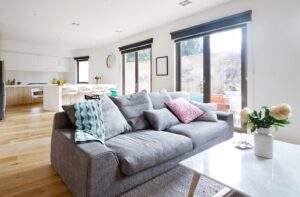


Open-concept living spaces have grown in popularity over the past few decades, praised for their airy feel and modern look. By removing barriers between kitchens, dining rooms, and living areas, these layouts create flow and a sense of connection. Much like scrolling through hidden face dps, where subtle details reveal hidden depth, open-concept homes carry layers of benefits and challenges that aren’t immediately obvious. To decide whether this layout is right for you, it’s important to weigh the pros and cons.
Pro: Spacious And Airy Atmosphere
One of the biggest advantages of an open-concept layout is the feeling of spaciousness. By eliminating walls, natural light travels further, making spaces feel larger and more inviting. Families often appreciate this because it encourages togetherness, allowing parents to cook while still keeping an eye on children in the living room. It’s a design that fosters connection and eliminates the boxed-in feeling of traditional floor plans.
Con: Lack Of Privacy
On the flip side, open spaces can reduce privacy. Without walls to buffer sound or sight, it’s easy for activities in one area to disrupt another. If one person is watching TV and another is working nearby, noise and distractions can quickly become an issue. For larger families or those who value quiet, this lack of separation may feel frustrating.
Pro: Flexibility In Design
Open-concept spaces offer greater flexibility when arranging furniture and décor. With fewer walls to dictate room boundaries, homeowners can adapt layouts to suit their lifestyle. Large rugs, furniture groupings, and lighting choices can define zones without permanent barriers. To find inspiration for modern layouts, resources like often highlight design trends and professional services that showcase creative uses of open floor plans.
Con: Higher Heating And Cooling Costs
Large open areas can be more difficult to heat or cool efficiently. Without walls to contain airflow, temperature regulation often requires more energy. This can lead to higher utility bills, particularly in homes with high ceilings. While energy-efficient appliances and smart thermostats can help, it’s important to factor in the potential long-term costs of maintaining comfort in such layouts.
Pro: Better For Entertaining
Open-concept homes are ideal for entertaining guests. The seamless connection between kitchen, dining, and living spaces allows hosts to cook while still engaging with their visitors. It encourages mingling and creates a casual, welcoming atmosphere. When friends or family gather, the openness makes it easier to accommodate larger groups comfortably.
Con: Clutter Is More Noticeable
In open-concept spaces, mess is harder to hide. Dirty dishes in the kitchen or toys scattered across the living room are visible from almost every angle. Maintaining cleanliness becomes a daily priority, as clutter can quickly ruin the aesthetic appeal. Just as shayari sad expresses emotions openly and without barriers, an open floor plan leaves little room to conceal imperfections.
Pro: Increases Property Appeal
Many buyers are drawn to the modern, open feel of these layouts. Open-concept living is often associated with luxury and contemporary design, making homes more appealing in today’s market. Real estate agents frequently highlight open spaces in listings, as they tend to photograph well and attract attention. In terms of Property value, an open-concept design can boost marketability, especially in urban areas where maximizing perceived space is a selling point.
Con: Limited Wall Space
While open spaces feel expansive, they also limit wall space for storage, shelving, and artwork. Homeowners may struggle to find areas to place cabinets, bookcases, or even family photos. Creative solutions such as room dividers or multifunctional furniture can help, but it requires more planning to balance openness with practicality.
Pro: Encourages Family Connection
Without walls separating family members, open layouts naturally promote interaction. Cooking, studying, and relaxing often occur in the same shared environment, encouraging conversation and bonding. For families who value togetherness, this design enhances daily life and creates memories in a connected space.
Con: Can Feel Overwhelming
For some, constant exposure to multiple areas at once can feel overwhelming. Traditional floor plans provide natural pauses between rooms, offering mental breaks. Open layouts, however, expose everything at once, which can feel chaotic—especially in busy households. Those who prefer defined boundaries may find the openness too stimulating.

Lifestyle Considerations
Deciding whether open-concept living works for you depends on your lifestyle. If you enjoy hosting, value family interaction, and don’t mind a little extra tidying, it could be the perfect fit. If privacy, storage, or quiet are more important, you may prefer a more traditional layout.
Interestingly, lifestyle choices extend beyond the home. For example, searching for a restaurant near me often reflects whether you prefer lively, open spaces or quieter, more intimate settings. Similarly, your home’s layout should align with the experiences and comfort you value most.
Final Thoughts
Open-concept living spaces offer undeniable benefits: they create light-filled, flexible, and social environments that appeal to modern homeowners. At the same time, they come with challenges such as noise, clutter visibility, and energy costs.
The key is to evaluate your personal needs and daily routines. If openness aligns with your lifestyle and design preferences, it can add value, style, and joy to your home. But if privacy and separation are essential, a more traditional layout may serve you better.
In the end, the perfect floor plan is one that balances beauty with function—transforming your house into a home that truly supports the way you live.


